NYISO
NY PSCNYISO Business Issues CommitteeNYISO Management CommitteeNYISO Operating CommitteeOther NYISO Committees
The New York Independent System Operator Inc., a not-for-profit regional transmission owner, is responsible for operating New York's bulk electrical grid, administering the state's wholesale electricity markets, maintaining grid stability, and ensuring the reliability and planning of the state's bulk energy system.
IPPNY / Tim Raab
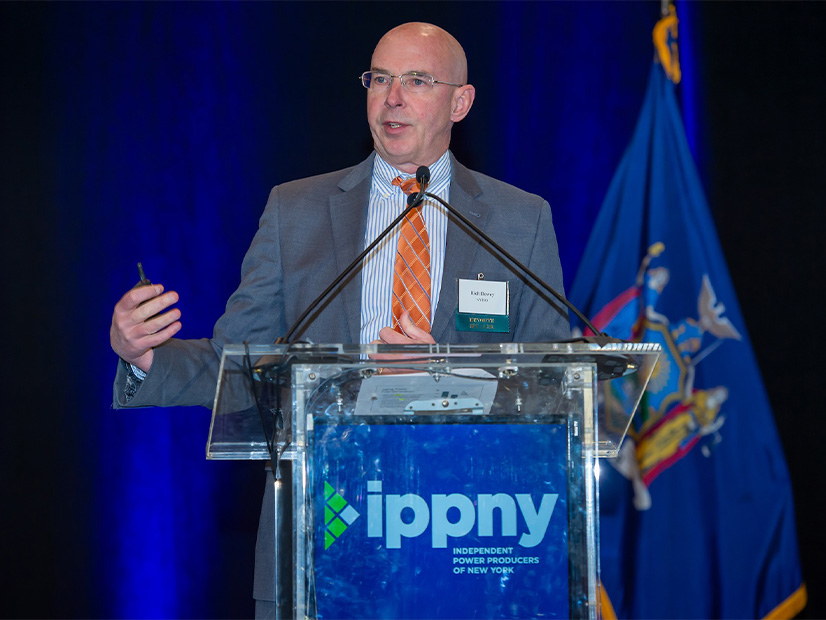
Generation industry representatives and their allies united behind a call to loosen New York’s climate law to allow the repowering of old fossil fuel plants with new natural gas turbines at the Independent Power Producers of New York’s 40th annual Spring Conference.
NYISO
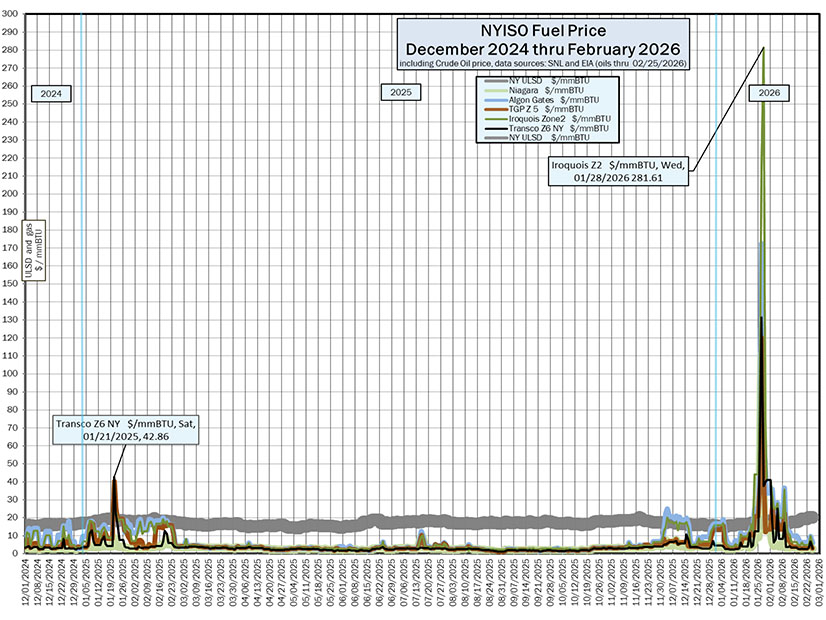
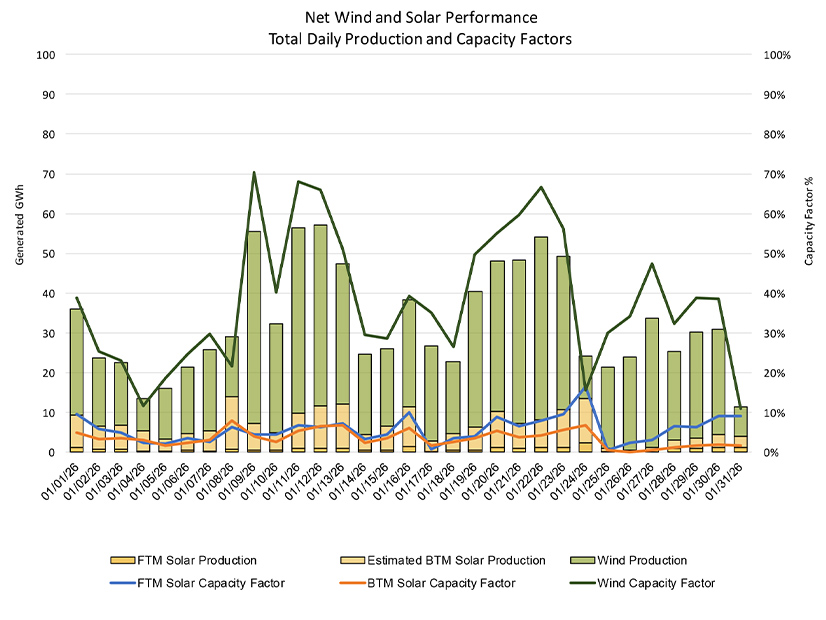
NYISO presented a breakdown of systemwide issues in response to multiple calls from stakeholders for more granular information about conditions during the January winter storm.
Astoria Generating Company
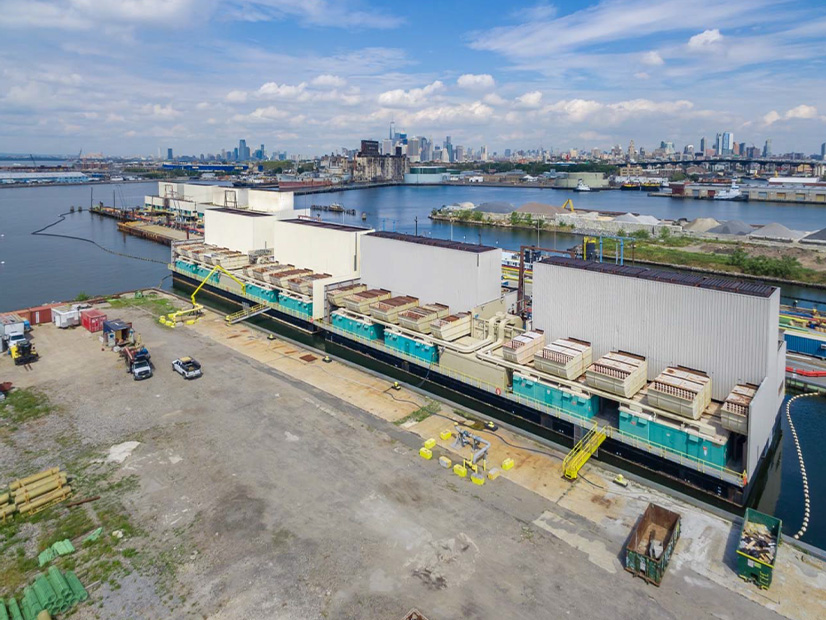
Alpha Generation, owner and operator of the Gowanus and Narrows floating power plants in New York City, has proposed replacing the six peaking units with three lower-emitting ones in response to Consolidated Edison’s solicitation for solutions to the city’s reliability need.
Shutterstock
New York energy storage and solar trade groups are seeking an immediate end to what they say is an effective freeze on interconnection of distributed storage facilities by the state’s largest investor-owned utility.

Shutterstock
After receiving pan-sector feedback from stakeholders asking for more time to review NYISO's proposed changes to the reliability planning process, the ISO said it would delay proposing tariff language.
NYISO
NYISO exceeded its winter baseline peak load forecast on Feb. 7, its COO told the Management Committee.

NYISO
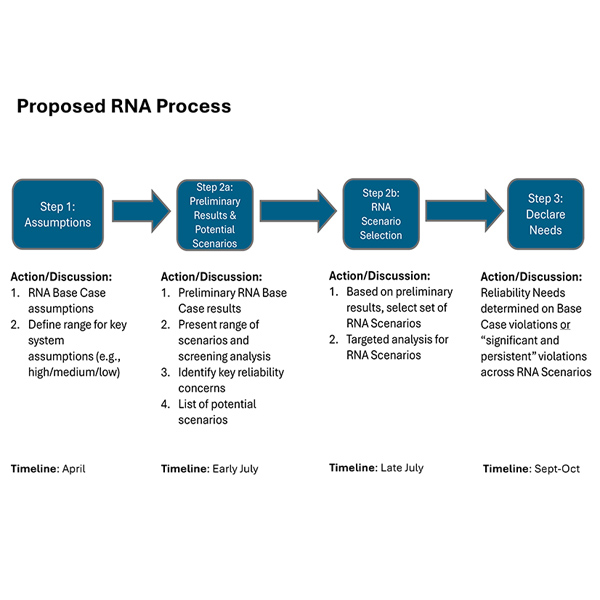
The conversation during a five-hour meeting on changes to NYISO’s transmission planning processes became heated at times, as stakeholders challenged ISO officials on exactly how they will develop the possible scenarios they propose to determine reliability needs.
NYISO
NYISO is proposing to use a set of multiple scenarios rather than relying on a single base case in its Reliability Planning Process to avoid study-by-study fluctuations in determining reliability needs.
Shutterstock
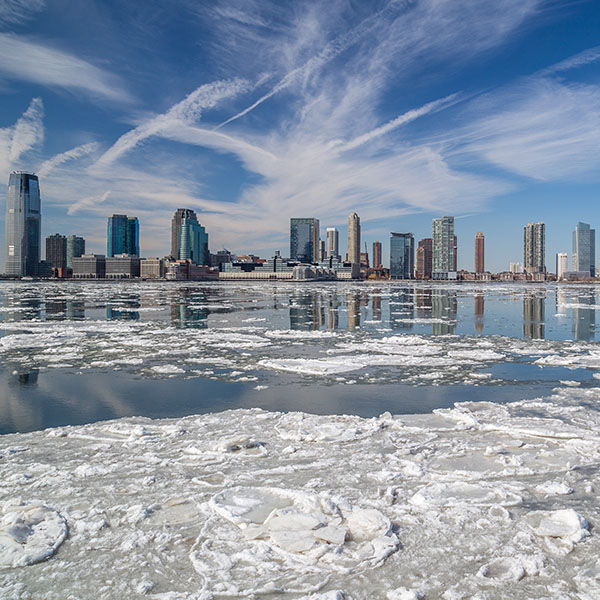
The NYISO Operating Committee discussed the challenges it faced while successfully navigating through several events in January, including a major winter storm.
ORES
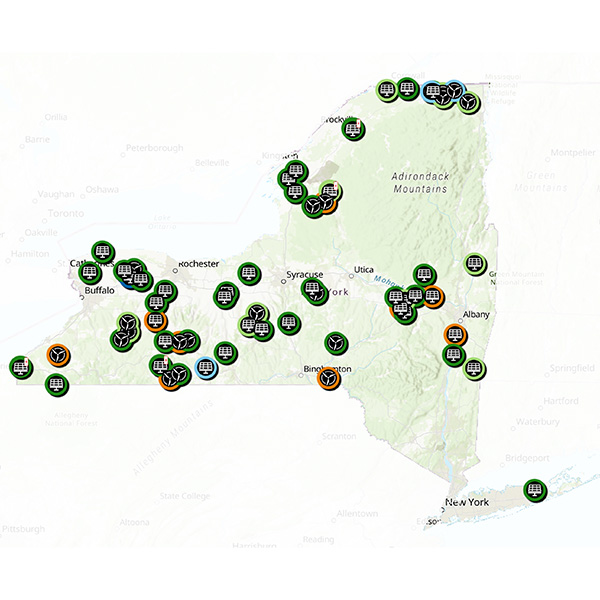
The New York Public Service Commission said the regulations it has approved will reduce permitting time for transmission projects by up to 50%.
Want more? Advanced Search