ISO-NE
ISO-NE Consumer Liaison GroupISO-NE Planning Advisory CommitteeNEPOOL Markets CommitteeNEPOOL Participants CommitteeNEPOOL Reliability CommitteeNEPOOL Transmission Committee
ISO New England Inc. is a regional transmission organization that oversees the operation of the electricity transmission system, coordinates wholesale electricity markets, and manages power system planning for the states of Connecticut, Rhode Island, Massachusetts, Vermont, New Hampshire, and most of Maine.
ISO-NE
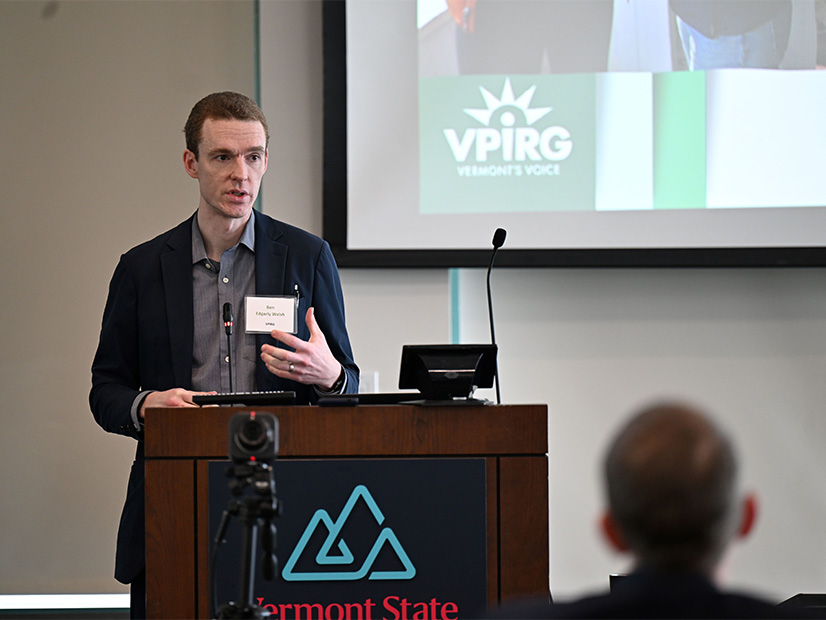
The spring quarterly meeting of the ISO-NE Consumer Liaison Group revolved around the growing risks of climate-driven extreme weather events in Vermont and across the broader New England region.
ISO-NE
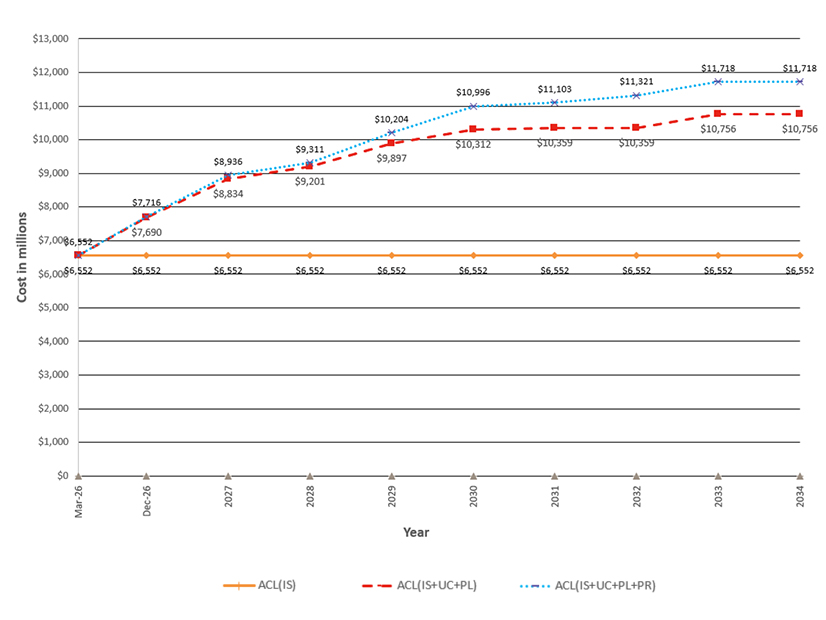
New England transmission owners have added over $376 million in projects to the asset condition list since October while placing over $560 million in projects in service.
© RTO Insider
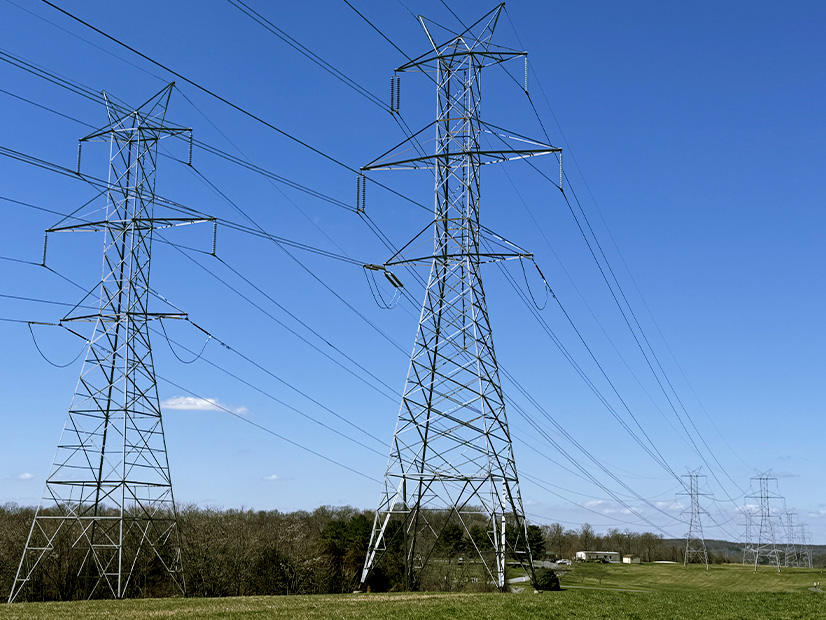
ISO-NE’s initial review of proposals submitted for a first-of-its-kind transmission procurement indicates four of the six proposals do not meet the technical requirements and are not eligible for selection.
Eversource Energy
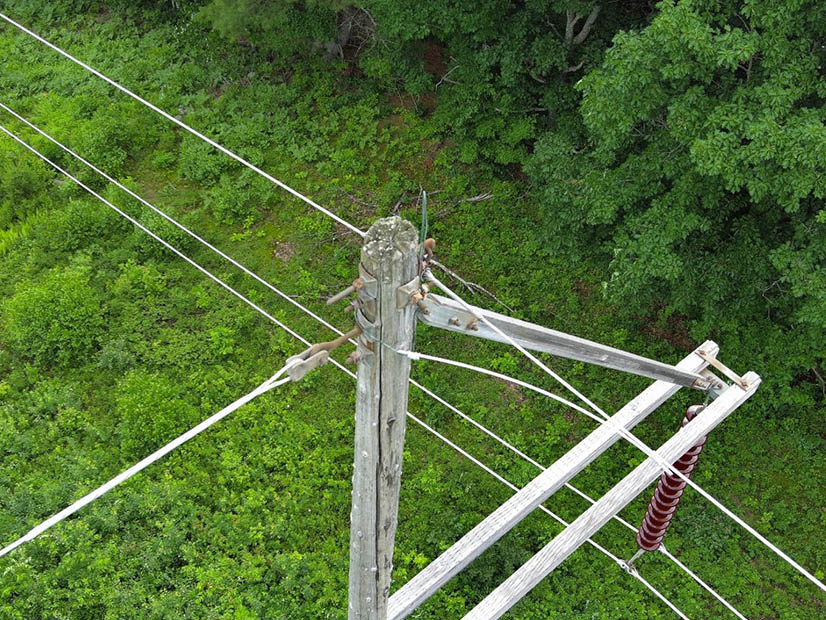
Updating stakeholders on its proposal for an internal asset condition reviewer, ISO-NE said it now plans to review asset condition projects estimated by transmission owners to exceed $25 million in regionalized costs.
Ørsted
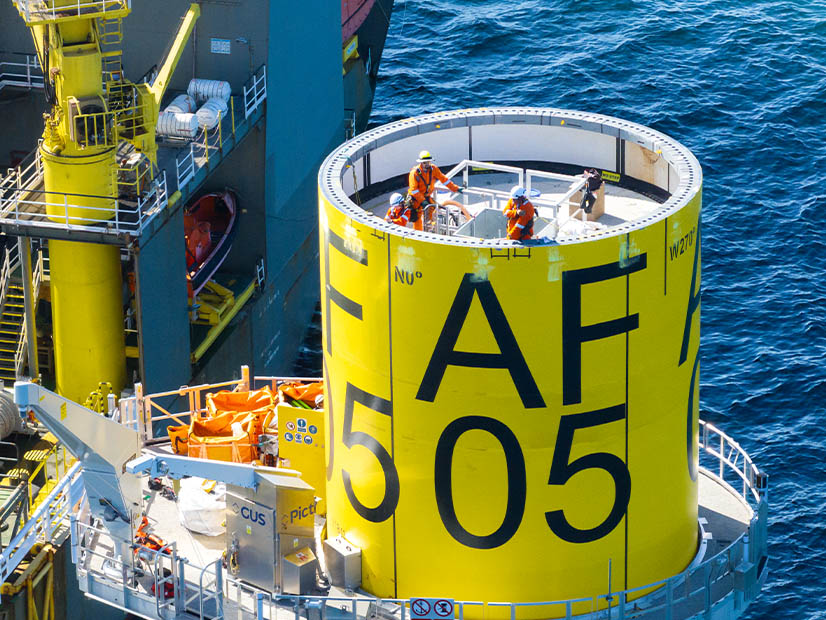
One New England offshore wind farm has completed construction, and another has begun sending electricity ashore as it finishes construction.
ISO-NE
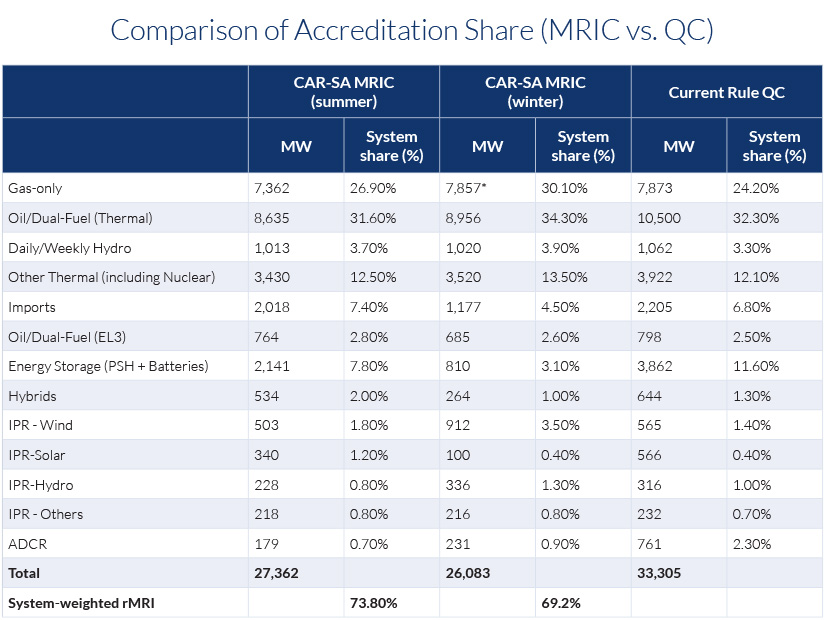
ISO-NE published initial data on how its proposed capacity market overhaul will affect resource accreditation, providing an indication of how the changes would affect capacity market revenues for different resource types.
ISO-NE
FERC initiated a show-cause proceeding based on concerns about the lack of provisions in the RTO’s tariff enabling corrections to incorrect payments to or from market participants.
Granite Shore Power
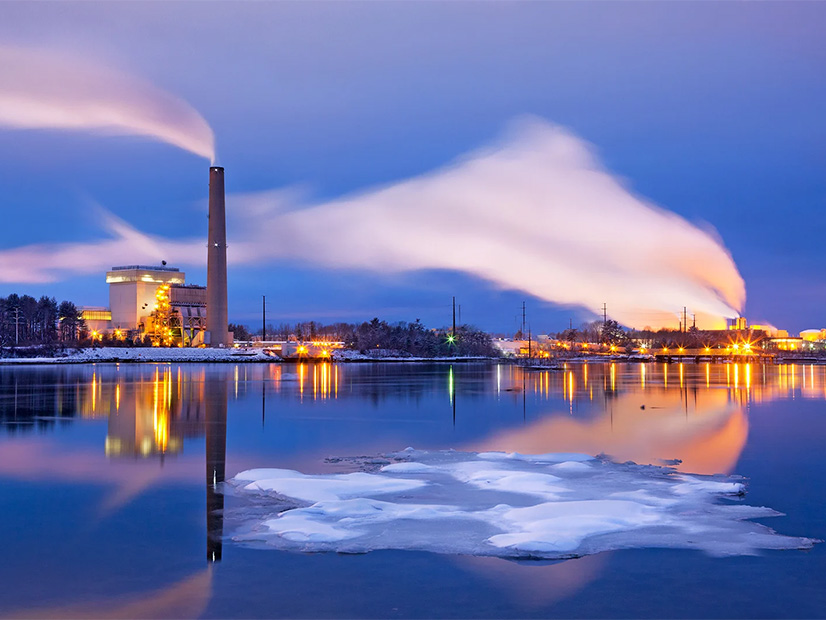
ISO-NE proposed to reduce its performance payment rate by more than 60% in response to concerns that excessive penalties will have unintended consequences for the capacity market.
© RTO Insider
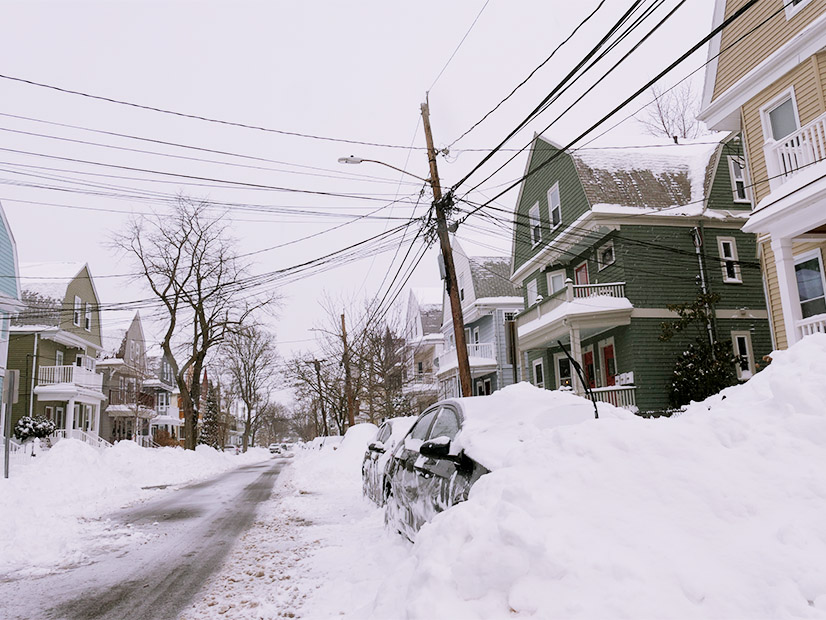
The winter of 2025/26 was the most expensive winter in the history of ISO-NE’s wholesale markets, driven by the lowest average temperatures in 20 years.
Fluence
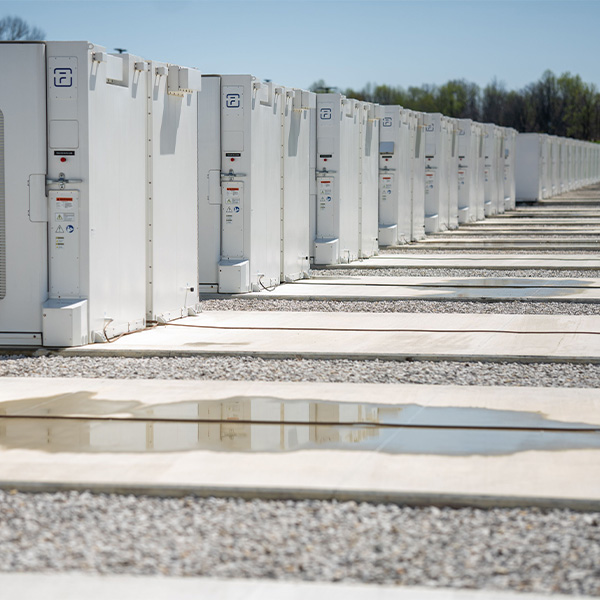
Clean energy groups are calling for changes to ISO-NE’s surplus interconnection service rules to use capacity headroom and help some resources avoid lengthy cluster study processes.
Want more? Advanced Search