Resources
Demand ResponseDistributed Energy Resources (DER)Energy EfficiencyEnergy StorageBattery Electric StorageOther Electric StorageGenerationCoalGeothermalHydrogenHydropowerNatural GasNuclear PowerOffshore WindOnshore WindOperating ReservesRooftop/distributed SolarUtility-scale SolarResource Adequacy
NREL
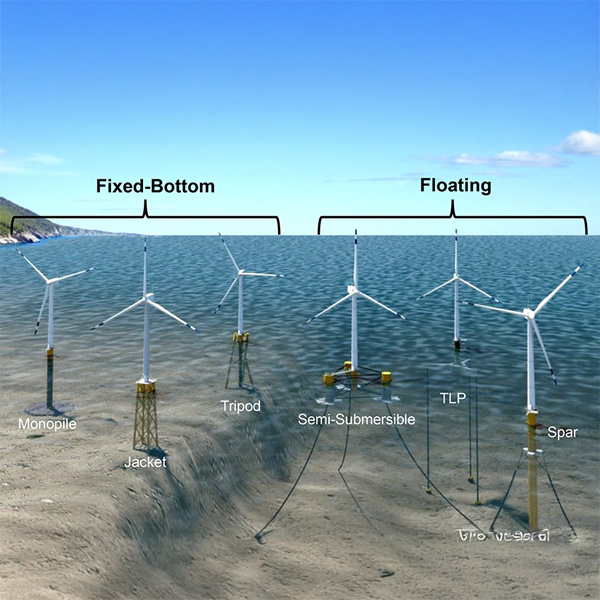
At a two-day workshop held by the CEC, offshore wind experts and fishermen identified many challenges associated with building offshore wind turbines in Humboldt Bay and other parts of the coastline while not displacing the fishing industry.

Shutterstock
Aaron Markham, NYISO vice president of operations, presented the 2025-2026 Winter Capacity Assessment and Winter Preparedness forecasts to the Operating Committee.
Analysis Group
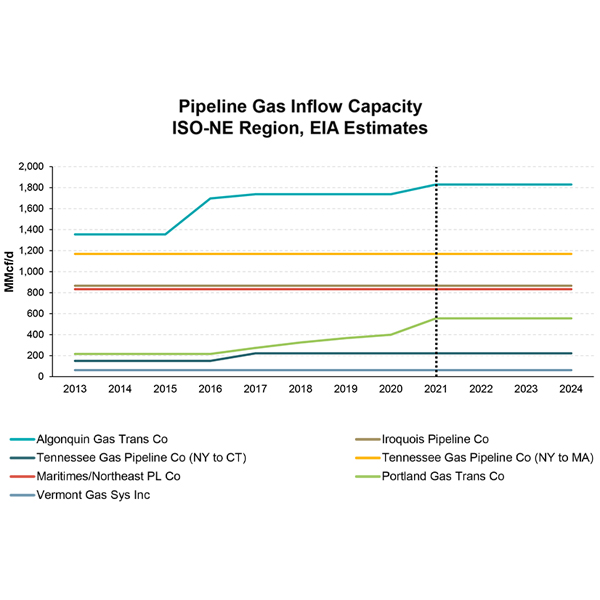
ISO-NE outlined its planned approach for accounting for resources’ gas supply limitations in its new capacity accreditation framework at a NEPOOL Markets Committee meeting.

© RTO Insider
A new report from the National Association of Regulatory Utility Commissioners offers state regulators an extensive set of recommendations intended to address risks stemming from the ever evolving interdependence of the natural gas and electric sectors in the U.S.

Brattle Group
A new Brattle Group study examined the impact on planning reserve margins of an alternative Western resource adequacy program that includes expected participants in CAISO’s Extended Day-Ahead Market.

U.S. Army Corps of Engineers
Tribes asked FERC to reject a proposal from Energy Secretary Chris Wright to reverse a 2024 rule change that required consultation with them over hydropower projects proposed on their lands.
IEA
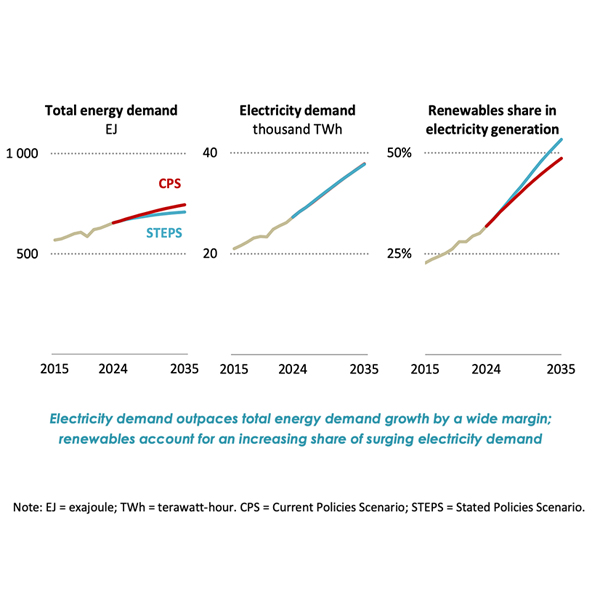
IEA released its 2025 World Energy Outlook, which shows the growing importance of electricity as residents start to adopt air conditioning and data centers and other large loads drive demand growth in rich countries.
ISO-NE
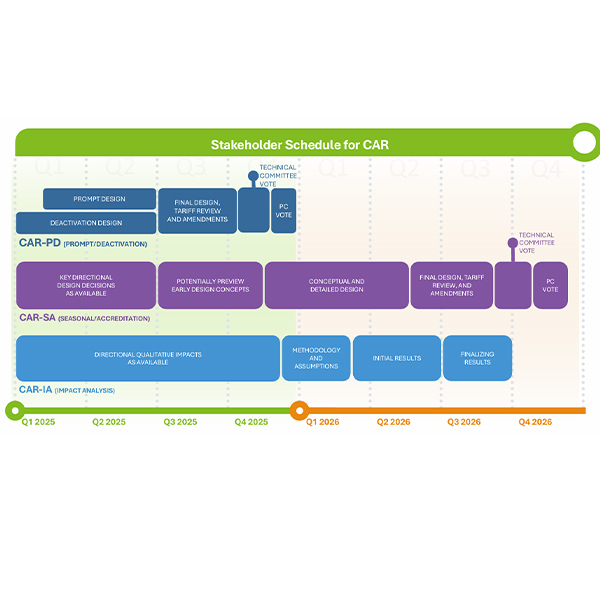
NEPOOL technical committees voted in favor of ISO-NE’s proposal to adopt a prompt capacity auction and update the RTO’s resource retirement process.
MISO
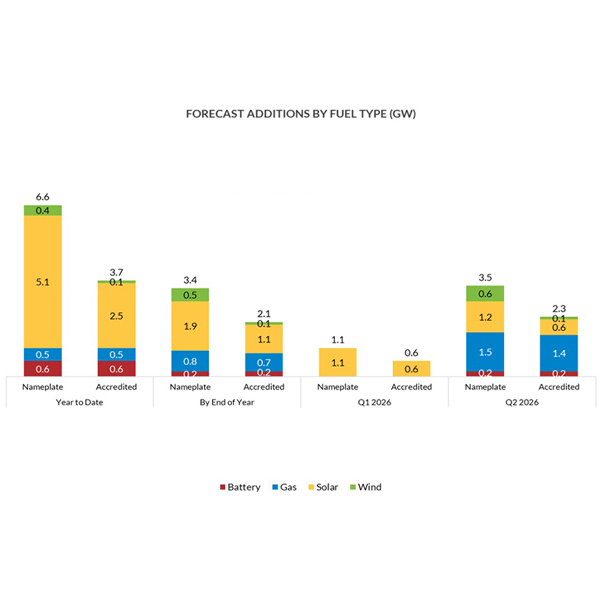
MISO’s generator interconnection queue now totals 174 GW across 944 projects, a result of several developers dropping out of the line in recent months.
AdminMonitor
Texas regulators approved ERCOT’s methodologies for determining minimum ancillary services for 2026 while hinting at the same time that they are considering discontinuing the use of conservative operations.
Want more? Advanced Search