NERC
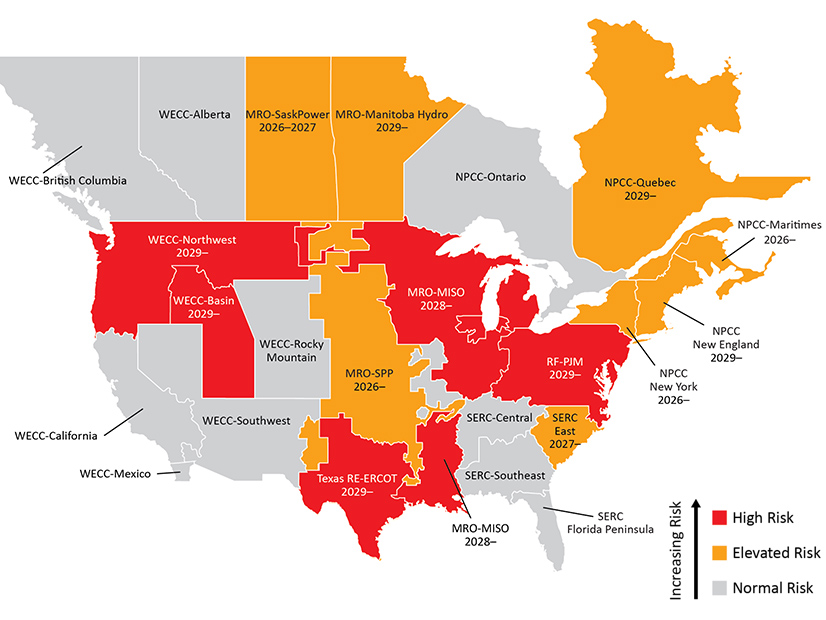
NERC's latest Long-Term Reliability Assessment projected more than half of all assessment areas will face high or elevated risk of energy shortfalls in the next 10 years.
APS
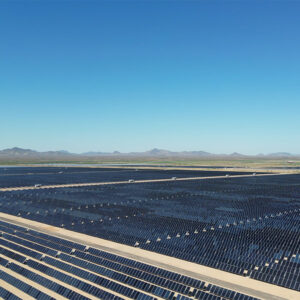
The U.S. Department of Energy has canceled a pending $1.8 billion loan guarantee to Arizona Public Service that was intended to help finance transmission, renewable energy and storage projects.
CPUC
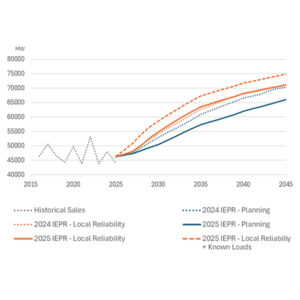
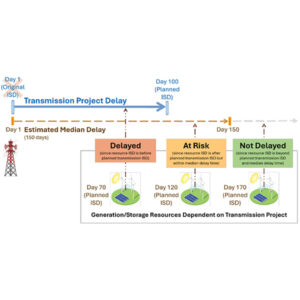
California continues to add in-state renewable energy resources, but the transmission upgrades needed to bring those projects online have been lagging behind, according to the Public Utilities Commission.
Entergy Louisiana
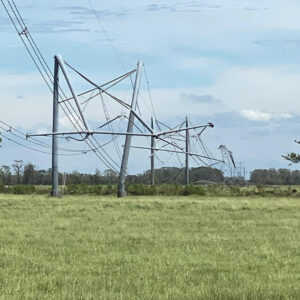
Some MISO stakeholders said an extreme events analysis from 2025’s transmission planning cycle potentially raises a red flag and deserves more attention.
Avangrid
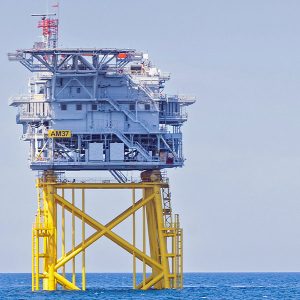
A judge has lifted the federal stop-work order on Vineyard Wind 1, allowing work to resume on the long-running, nearly completed Massachusetts offshore wind project.
RTO Insider
PowerLines
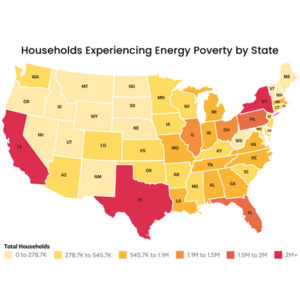
A newly published review of utilities serving 81.1 million U.S. customers found a total of $30.5 billion in 2025 rate hike requests — a record high, and twice as much as was sought in 2024.
IESO officials held firm on excluding hydro redevelopment projects from the ISO’s Long Lead-Time procurement despite objections from potential bidders.
MISO announced further delays in its generator interconnection queue for the cycles of projects that entered in 2022, 2023 and 2025.
ERO Insider
Xcel Energy
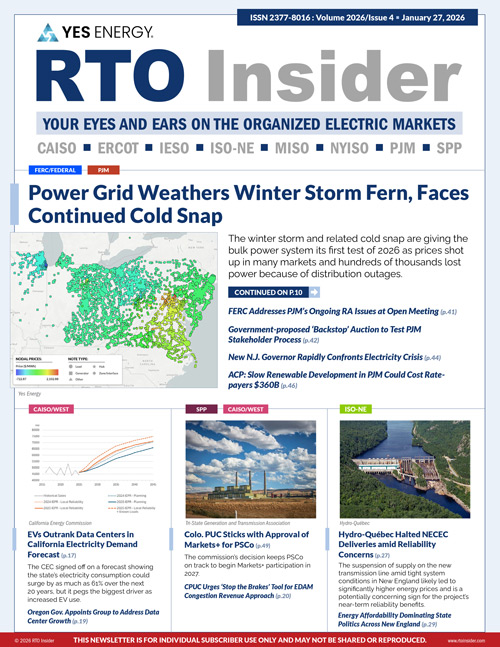
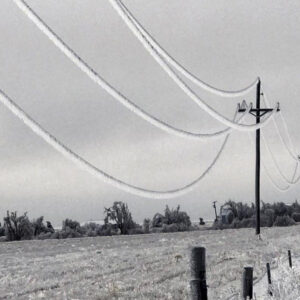
The North American grid made it through the winter storm of Jan. 24-26 — dubbed “Fern” by The Weather Channel — relatively unscathed, but the cold weather gripping much of the U.S. and Canada continues, and cold snaps in the future will still stress the interconnected power and natural gas systems.
Cybersecurity firm Dragos has said a Russia-linked group was behind a recent attack on Poland's electric grid that targeted distributed energy resource control systems.
The winter storm that moved through Texas and much of the Eastern Interconnection cut power to hundreds of thousands of people and stressed the bulk power system, but did not create major disruptions like other storms earlier this decade.
NetZero Insider
ATC and ITC Midwest
Senators in both parties want to pass permitting legislation, but Democrats will not move forward on a bill unless they get assurances the Trump administration will stop impeding clean energy projects.
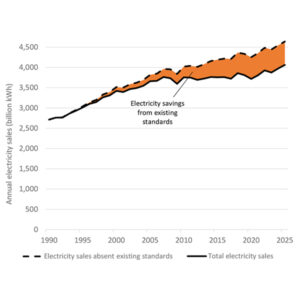
After years of declining or stagnant power demand in New England, annual energy demand ticked up for the second straight year in 2025, potentially indicating the start of a broader upward trend.
NextEra Energy Resources brought 7.2 GW of new generation and storage into operation and added 13.5 GW to its backlog in 2025.